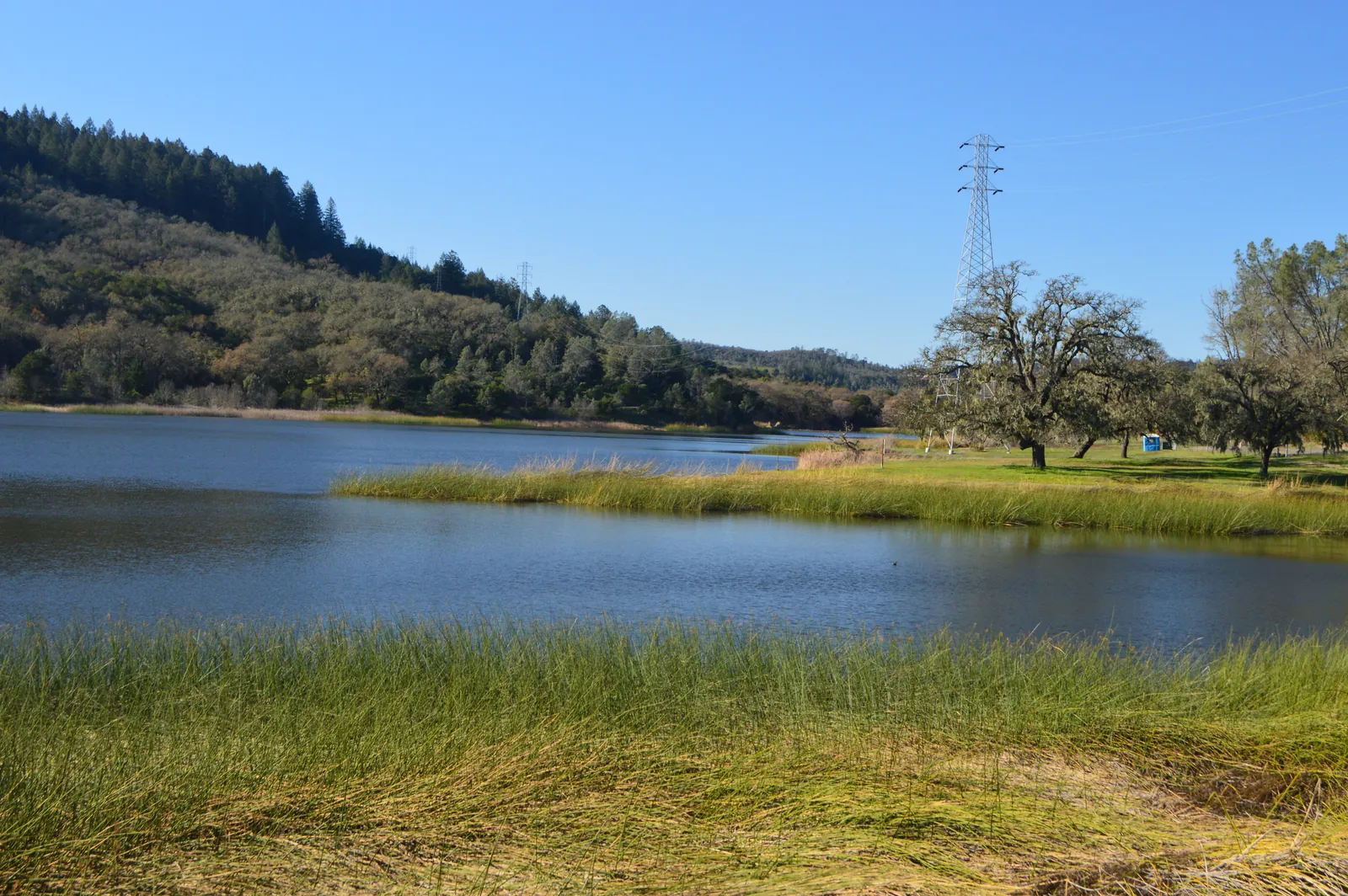
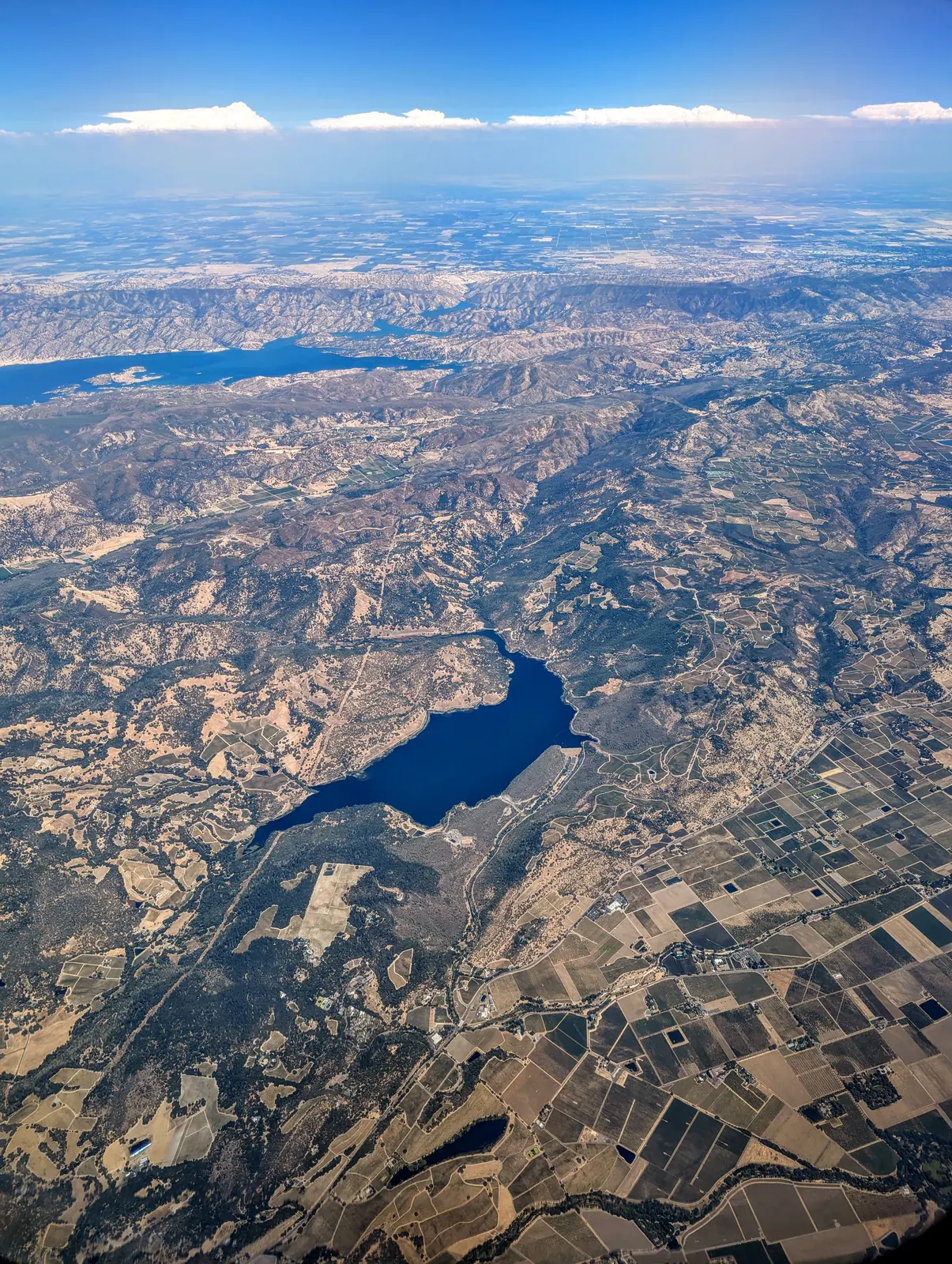
NAPA: The October 7 parks-and-trails status update from Napa Outdoors carries an advisory that will reshape the county's boating season: safeguards against the invasive golden mussel. The City of Napa has closed the boat launch at Lake Hennessey until further notice, and the city's notice is blunt about what that means: absolutely no watercraft allowed on the lake.
At Lake Berryessa, the Bureau of Reclamation has formalized protocols for launching that include an inspection and seal program with a 30-day quarantine for incoming boats. The City of Napa's alert confirms the quarantine is in effect for all boats entering Berryessa.
Why the mussel wins
The stakes for Napa are measured in drinking water. The city calls Lake Hennessey an important water supply, and says the lake provides 40 to 60 percent of Napa's drinking water in a typical year. One of the city's stated fears is displacement: with Berryessa restricted, displaced boaters could head to Hennessey as a nearby alternative, and boating-traffic patterns studied by the Solano County Water Agency show boaters already move from the Delta to Berryessa to Hennessey.
Prevention is the best strategy.
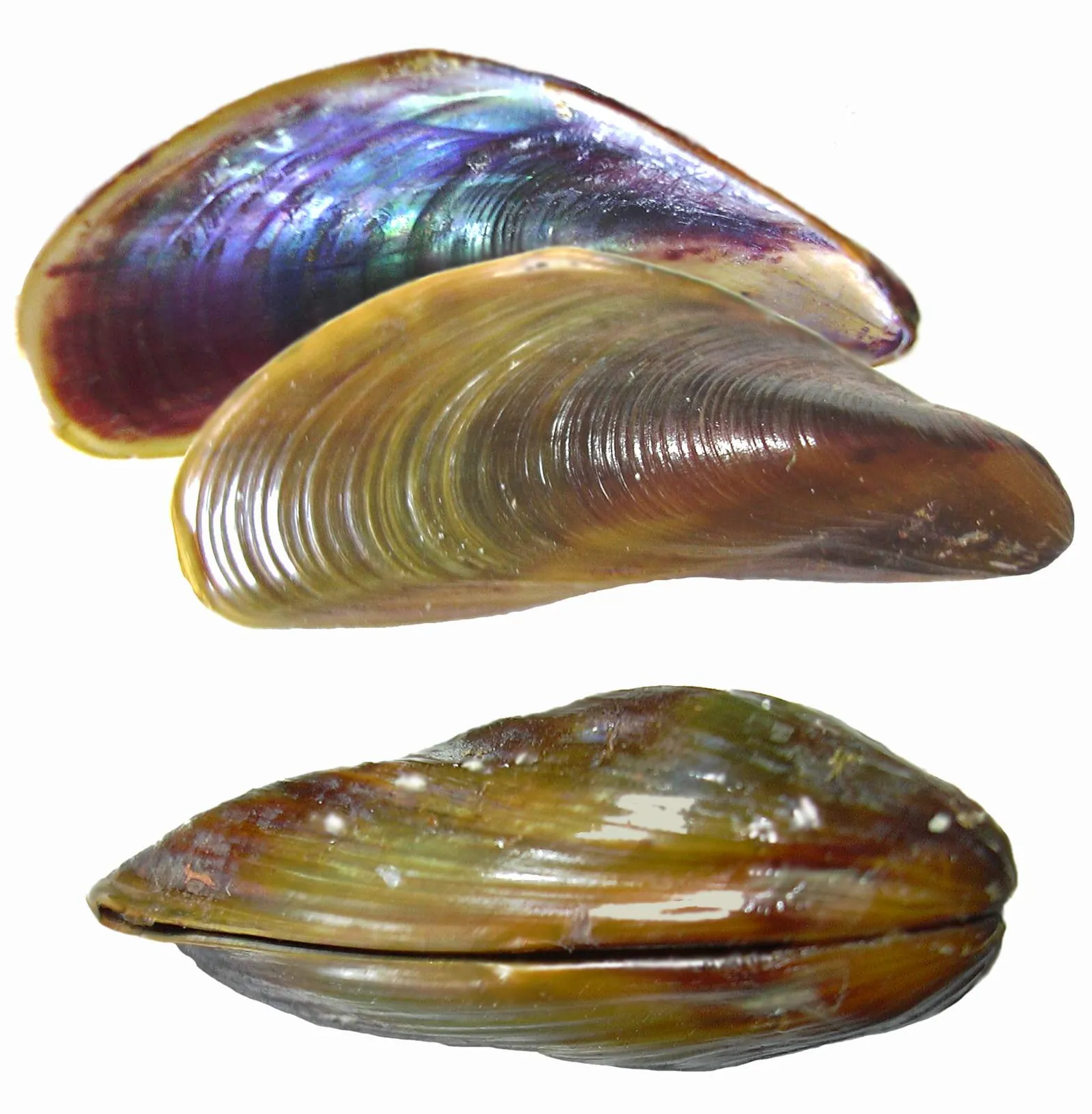
The golden mussel earned its reputation by succeeding where its cousins fail. The first North American detection came in October 2024, when golden mussel shells were collected at a water quality station at Rough and Ready Island near Stockton, according to the California Department of Fish and Wildlife. The mussel resembles the quagga and zebra mussels that have worried water managers for years, but it can establish in waters with wider temperature and salinity ranges. Napa's alert adds a local detail: golden mussels can survive in water with calcium levels as low as 2 milligrams per liter, while Lake Hennessey runs 7 to 8, a level that would have stopped quagga and zebra mussels but not this one.
What the mussels do is colonize. They fix themselves to underwater surfaces, clog intake pipes and conveyance facilities, throw off the ecological balance by displacing native species and sport fish, and are difficult to eradicate once introduced. The microscopic larvae survive for extended periods in water and travel easily in live wells, bilges, ballast tanks, engine systems, plumbing, or any other compartment aboard a boat. The state's fish and wildlife department says the most common way invasive mussels move between waterbodies is by hitchhiking on watercraft and equipment.
What boaters should do
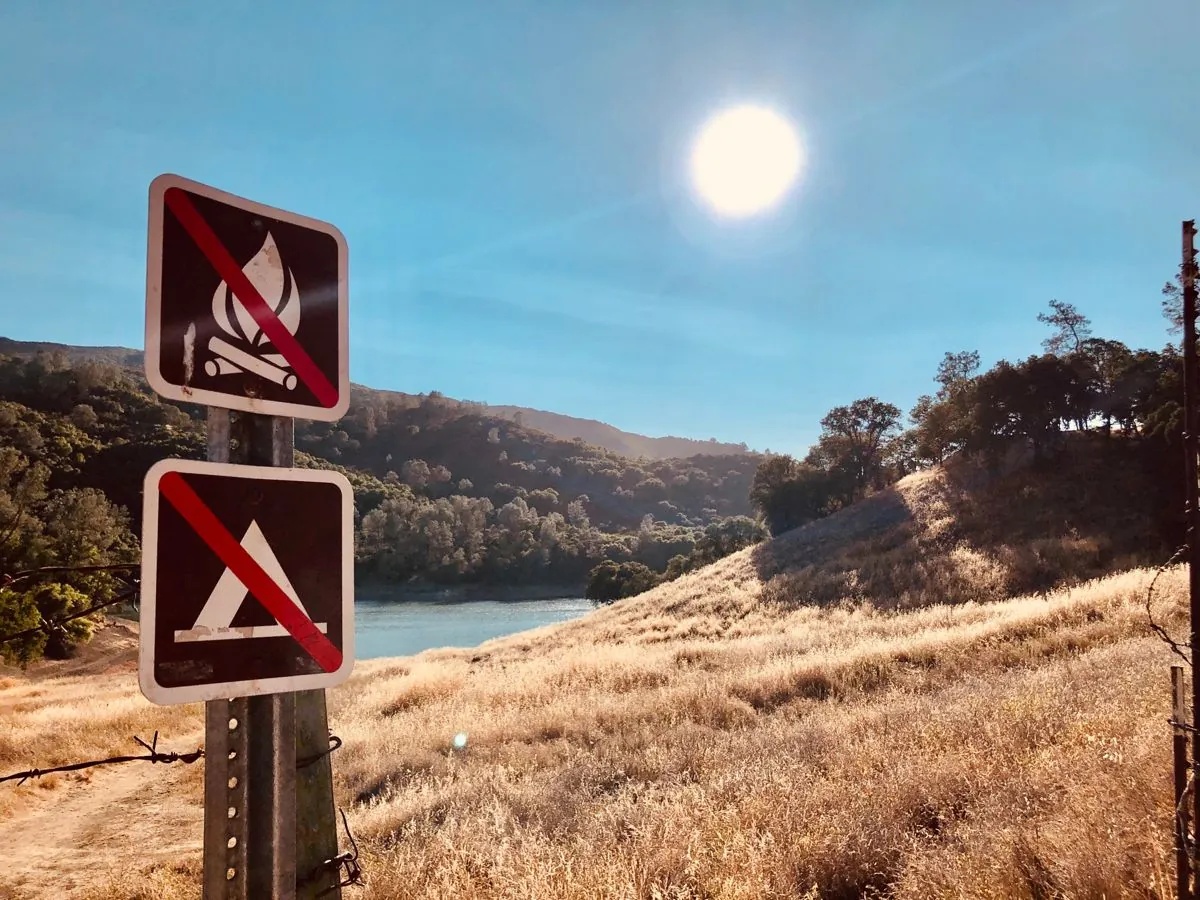
The threat is regional, not theoretical. Last month, golden mussels were detected at Lake Del Valle in Alameda County, southeast of Livermore, prompting a 30-day boat quarantine there. The state fish and wildlife department awarded about $1.3 million in grants for mussel-related boat inspections, and its standing guidance to boaters is three words: clean, drain, dry. "Prevention is the best strategy," the City of Napa's alert says, adding that the lake will remain closed to all watercraft with no intention of reopening in the foreseeable future.
The same Napa Outdoors update carries a second advisory for landlubbers: a landslide about four miles into the Berryessa Peak Trail has partially blocked access to the remaining two miles. The trail is passable with some scrambling through the damaged section, the update says, but it requires sure footing, and rugged terrain and weather may make the repair a challenging one.