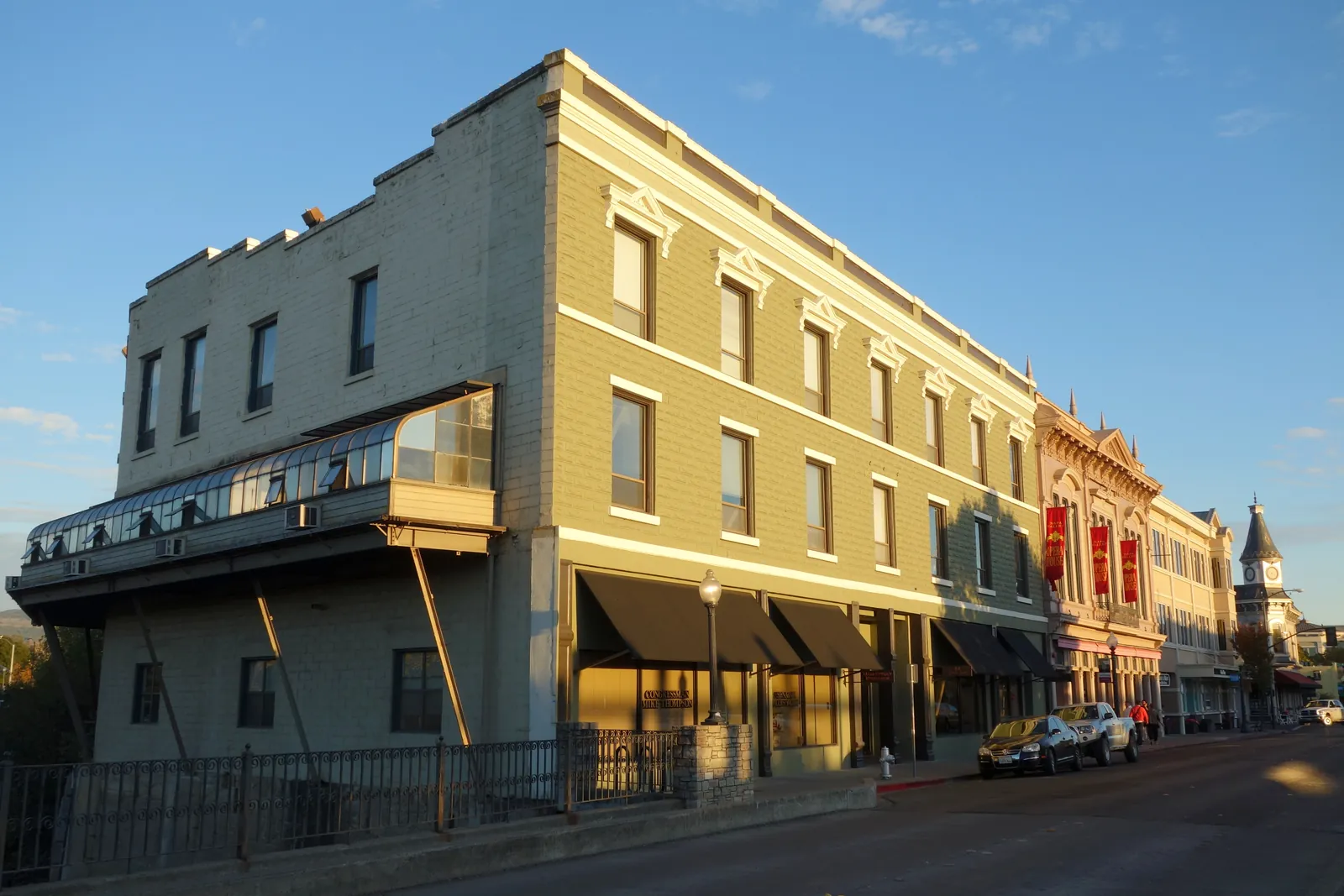
NAPA: Walk downtown Napa with your eyes up and you are in a museum that never closes. The Napa Art Walk, a biennial rotating sculpture exhibition, installs large-scale works all over the city: on the Riverfront Promenade, in Dwight Murray Plaza, outside the Opera House, along Napa Creek, at the Oxbow. No ticket, no docent, just sculpture in the path of daily life.
The current edition, on view from 2024 through 2026, takes climate action and sustainability as its theme. The program launched in 2009 as a rotating juried exhibition, and each two-year cycle brings a new set of works to the city's plazas and pathways, so the downtown's visual texture keeps changing. Locals develop favorites; visitors stumble onto art between tasting rooms.
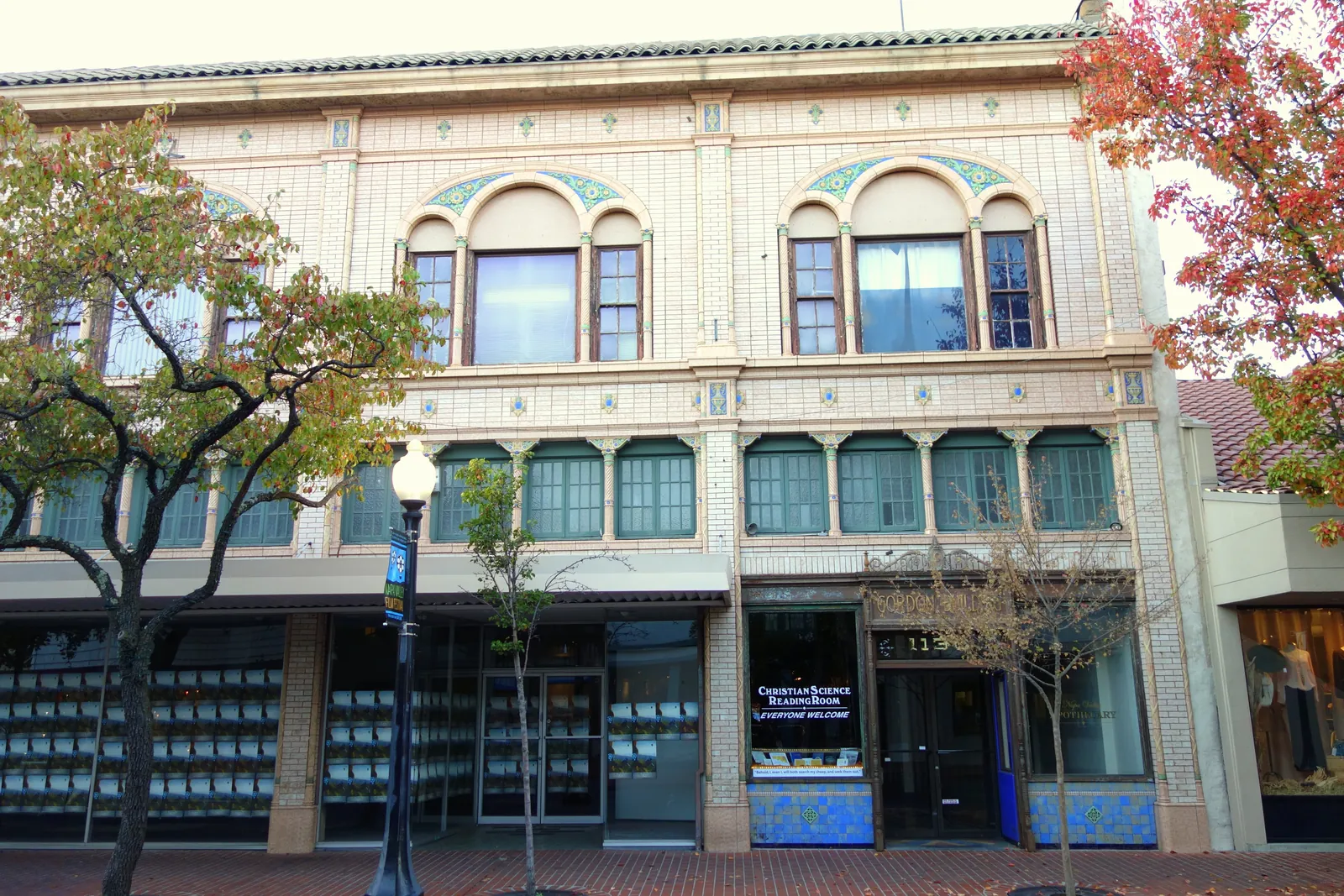
The exhibition's site list reads like a walking tour of the city's public spaces: Clay Street, the Archer Hotel wall, Napa Town Center, the pathway by the footbridge, China Point Park. Each edition juries new work and matches it to a location.
Then there is RAD Napa, the Rail Arts District: a two-mile stretch of large-scale murals along the Napa Valley Wine Train tracks, plus the tucked-away murals of First Street's Artists Alley. Where the Art Walk is curated and rotating, RAD is exuberant and permanent, a linear gallery you can only really see on foot or by rail.
Art without admission
The interesting thing about Napa's public art is who it is for. The valley's gallery scene serves collectors; the Art Walk serves everyone who walks downtown, which is to say the whole town. A kid on the way to school passes the same sculpture as a tourist from Chicago. That democratic accident is the program's genius.
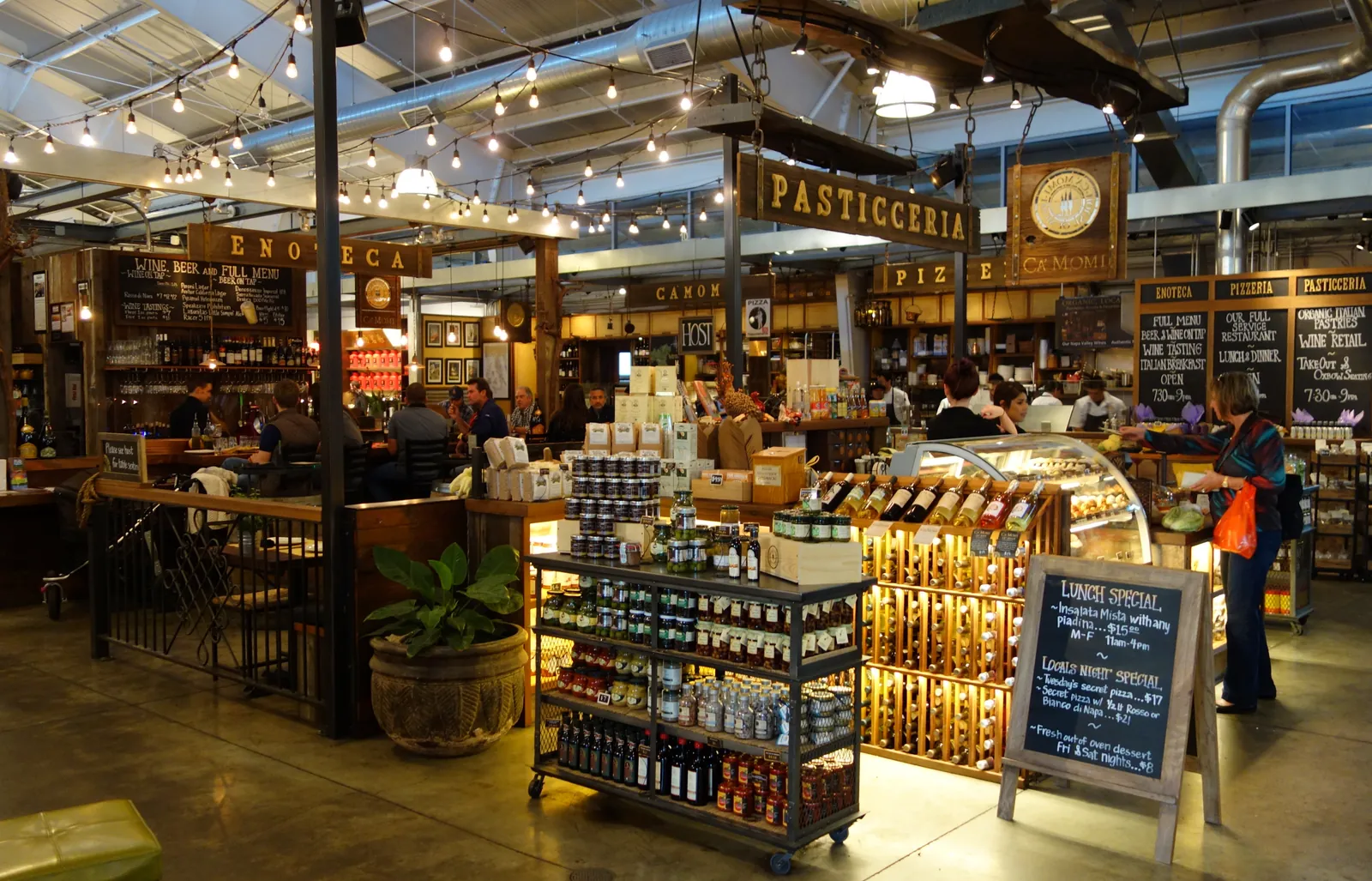
Napa will always be a wine town first. But the sculptures on the promenade and the murals along the tracks argue for a second identity, hiding in plain sight: a small city that decided its streets should be interesting to look at. The museum is open. Admission is free. You have probably already visited.