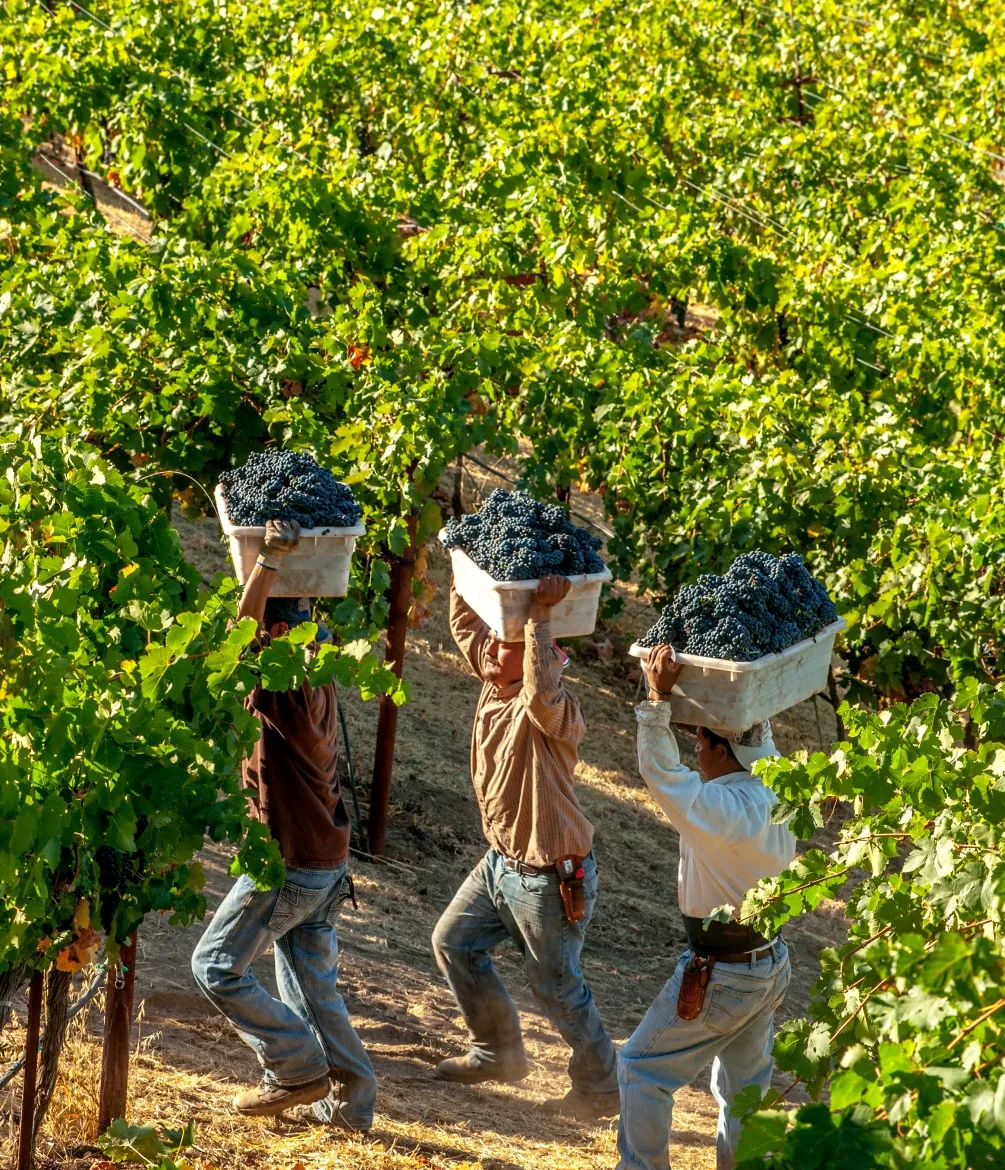
NAPA: On September 24, Visit Napa Valley, the official destination marketing and management organization for Napa County, held its annual Destination Symposium, bringing together leaders from the tourism, hospitality, and wine industries to review the state of the visitor economy and preview the year ahead. The centerpiece was the 2025 scorecard: Napa Valley welcomed 3.8 million visitors last year, generating $2.8 billion in total economic impact, $162.5 million in local tax revenue, and supporting more than 15,000 jobs, one in every seven jobs in the county, according to research by Tourism Economics.
"More than 15,000 jobs across Napa County were supported by tourism in 2025, as the visitor economy generated $2.8 billion in economic impact throughout the valley," said Linsey Gallagher, president and CEO of Visit Napa Valley. "Our focus now is turning what we know about our visitors into smarter decisions about where and how we invest, driving overnight stays, growing Tourism Occupancy Tax (TOT) collections and creating greater value for our partners and community."
The lodging ledger
The lodging numbers for 2026 so far tell a two-part story. From January through August, lodging demand was up 1.4 percent even as room supply grew 1.6 percent. Hotel occupancy was essentially flat at 64.5 percent, down two-tenths of a point year over year. Growth came from price, not fullness: the average daily rate rose 2.8 percent to $425.69, and revenue per available room rose 2.6 percent to $274.71. Lodging room revenue for 2025 totaled $530 million.
One in every seven jobs in Napa County.
That arithmetic is the baseline the valley has to build on: demand held while rates carried the growth. Flat occupancy at a rising rate is not a boom. It is a plateau with better pricing, and the FY27 focus Gallagher laid out is on driving overnight stays and growing lodging tax collections from here.
Who is coming
The symposium also released the first edition of a broadened 2025 Visitor Profile Study by SMARInsights, covering both recent and prospective visitors. Two findings stood out: 35 percent of first-time visitors are ages 25 to 35, and 99 percent of overnight visitors report being satisfied or very satisfied with their Napa Valley experience. Travelers are coming for romantic getaways (35 percent), adult-family vacations (32 percent), and celebrations (27 percent).
"We know a lot about the people already coming to Napa Valley. What’s exciting about this research is that it helps us better understand the prospective traveler, who is considering Napa Valley, what will motivate them to choose it and where we have the greatest opportunity to grow," said Amanda Moul, senior vice president of client engagement at The Shipyard, Visit Napa Valley’s agency of record for paid media and positioning strategy. "That’s what will inform where we invest and how we approach the work in FY27."
The marketing machine
Visit Napa Valley's own performance numbers were presented in full. The "Live a Little or a Lot" campaign, created with The Shipyard, influenced nearly 450,000 trips, according to ad effectiveness research. Across channels, campaigns generated 107 million paid advertising impressions (up 32 percent year over year), 1.3 billion earned media impressions (up 28 percent), and 55 million social impressions (up 71 percent). Group sales generated $89 million in economic impact, up 14 percent, and the Napa Valley Welcome Center delivered 128,000 partner referrals, up 40 percent, while the partner network grew 6 percent to 580 partners.
For fiscal 2026-2027, the organization plans to keep evolving the "Live a Little or a Lot" campaign under its "A Taste of the Good Life" brand promise, keeping wine and culinary travelers at the core while expanding focus to LGBTQ+, wellness, multigenerational, and next-generation travelers across drive, growth, and national markets. The annual plan also adds creative efforts for group business and hospitality workforce recruitment. The symposium closed with a keynote from Heather Huckeba, director of research and strategic insights at Visit California, on using visitor research to shape destination storytelling.
Read as a whole, the symposium's message is that Napa's visitor economy is no longer just the wine industry's side business. It is the industry underneath the industry: $2.8 billion of impact, 15,000 jobs, and a tax base that funds the county's public life. The visitor came for the wine. Increasingly, the valley runs on the visitor.