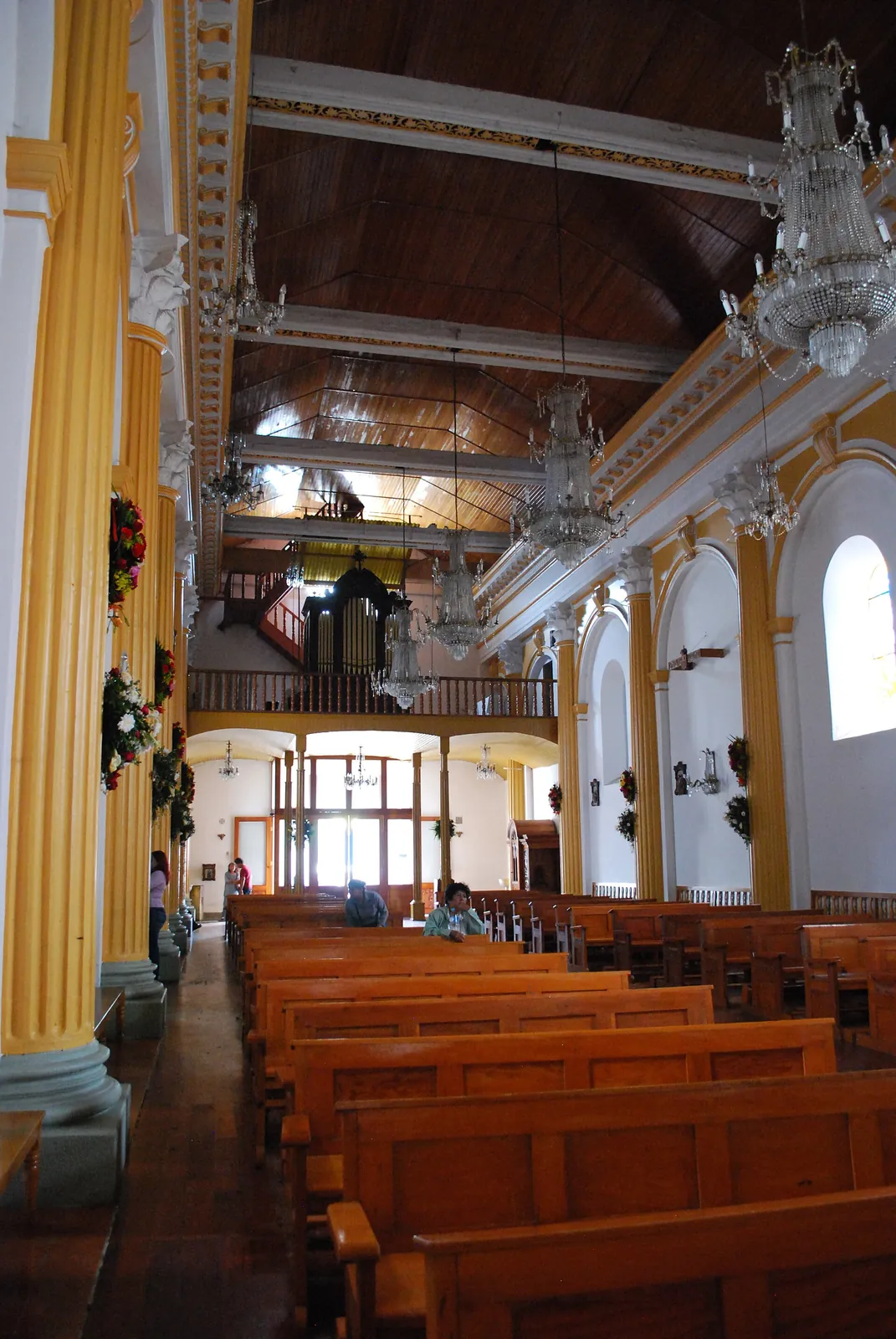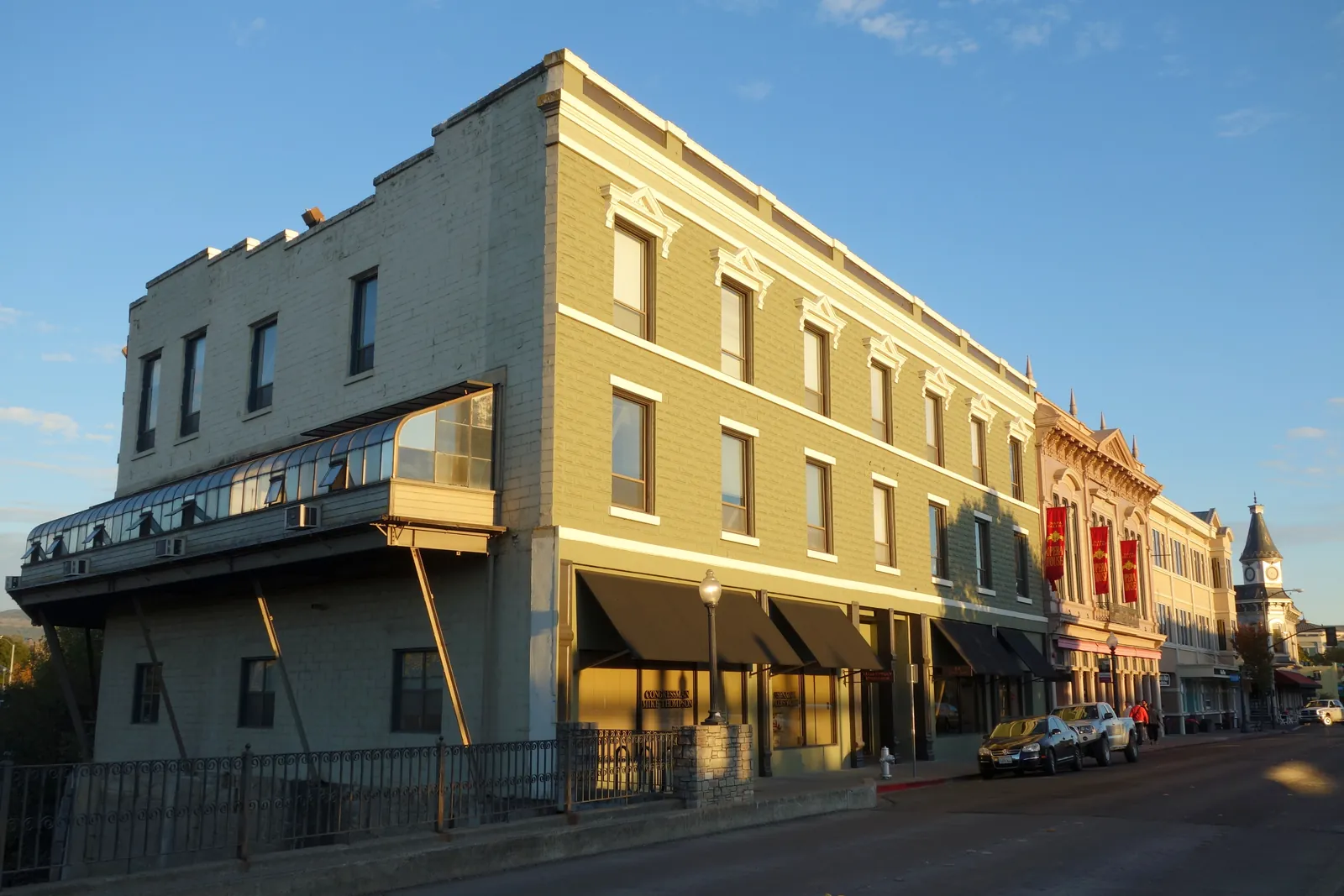
NAPA: The Napa Valley Opera House opened on February 13, 1880, with a production of Gilbert and Sullivan's HMS Pinafore. The building, designed in the Italianate style by Newsom and Newsom, had stores and restaurants on the first floor and a stage on the upper floors, with a flat auditorium floor built to accommodate local dances and pageants. For 34 years, it was the valley's grandest room.
The early decades read like a variety bill from a lost America. During the height of vaudeville, the theatre flourished; in 1896, boxer John L. Sullivan fought an exhibition match there and John Philip Sousa brought his brass band. In 1905, following her San Francisco debut, the great soprano Luisa Tetrazzini performed on its stage, and in the same year Jack London read from his works.
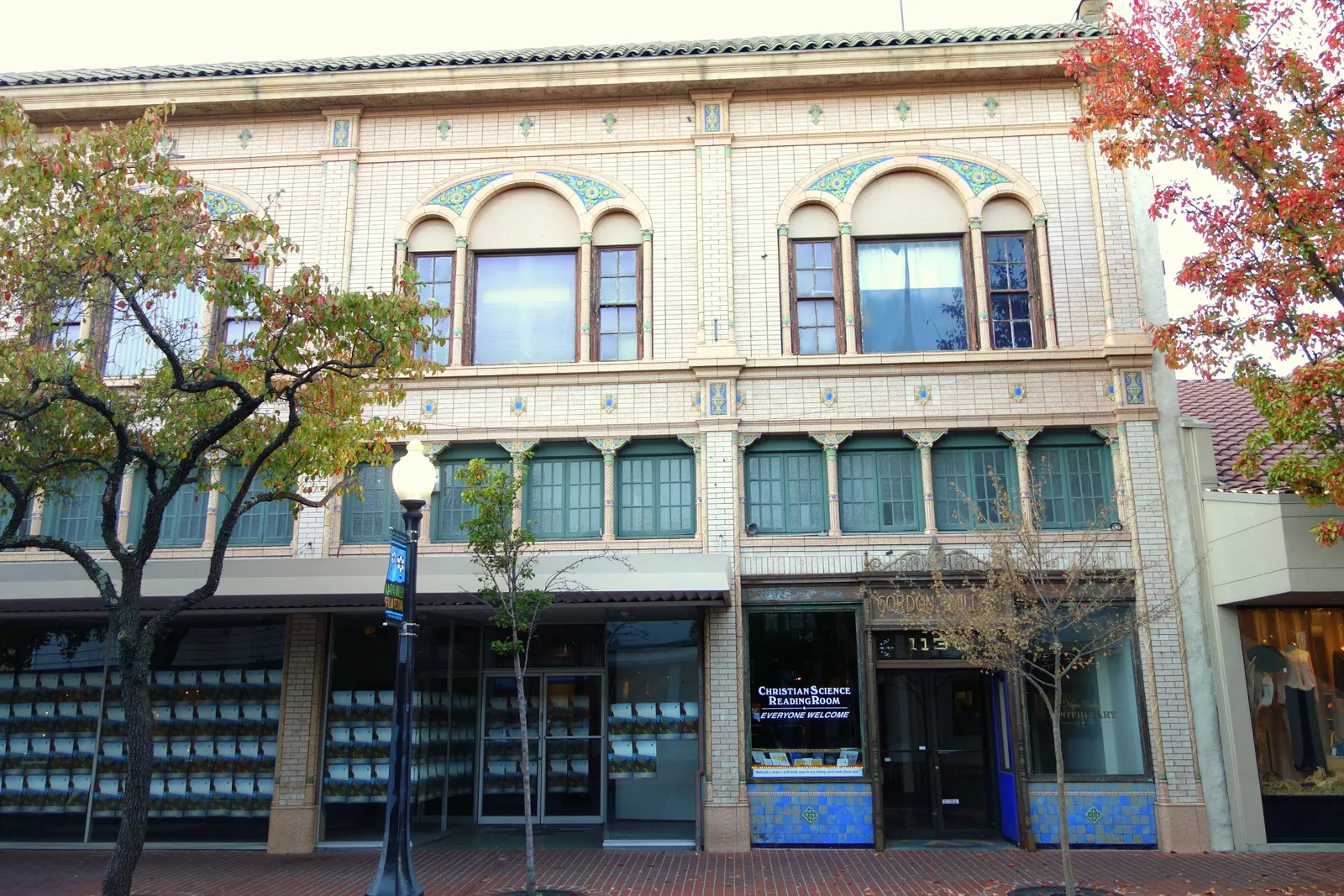
Then the 20th century arrived all at once. The theatre closed in 1914, done in by damage from the 1906 San Francisco earthquake, the decline of vaudeville, and the advent of film. For the next seventy years, the building lived other lives entirely, commercial space, offices, anything but a theatre.
The long restoration
The structure was added to the National Register of Historic Places in 1973, but restoration did not begin in earnest until a nonprofit group took up the cause in 1985. In 1997, Robert Mondavi and his wife Margrit issued a $2.2 million challenge grant toward the $13.7 million project, the valley's wine aristocracy rescuing its theatrical past.
The reopening came in two acts, fittingly. The intimate Cafe Theatre opened in June 2002 with jazz singer Dianne Reeves. Then, on July 31, 2003, the upstairs theatre reopened with Rita Moreno, followed by a performance of HMS Pinafore, the same show that had opened the original venue 123 years earlier.
A music venue, at last
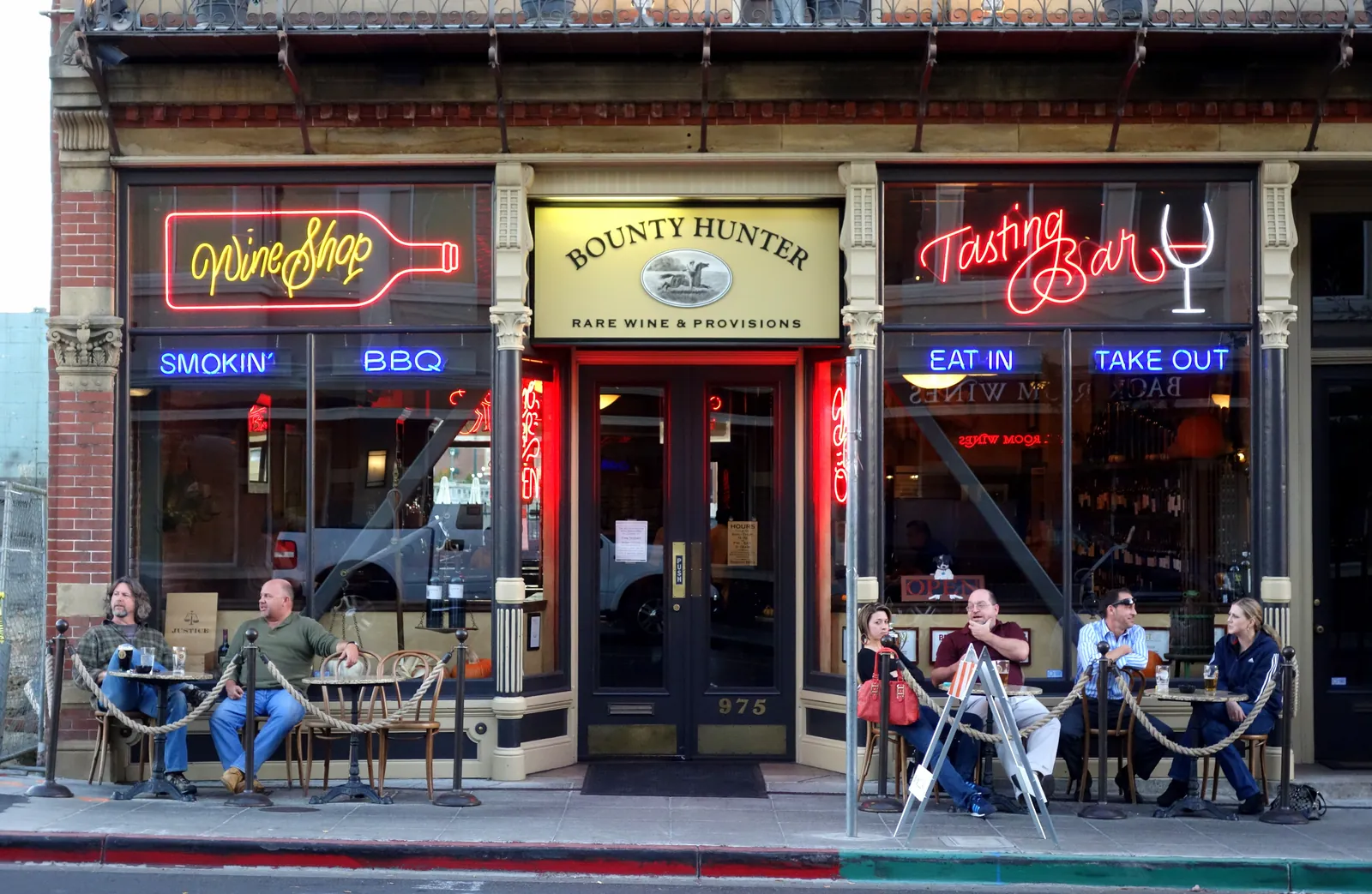
The Opera House has kept reinventing its business model ever since: a $1.5 million forgivable loan from the City Council in 2011 to retire debt, a stint as City Winery from 2014 to 2015, and then the 2016 arrival of Blue Note Napa's intimate jazz club on the first floor, with the JaM Cellars Ballroom in the original upstairs theatre space. For a decade the two rooms gave the 1880 building one of the busiest live-music calendars in wine country.
The latest reinvention came in early 2026, when owner John Anthony Truchard, who had bought the building in 2021, announced its relaunch as the Napa Music Hall. Blue Note Napa closed; the two-room formula stayed, the downstairs room reborn as The Club and the upstairs room as the Ballroom, with a target of roughly 200 shows a year. The building remains the Napa Valley Opera House on the National Register of Historic Places; only the programming name changed. By late summer the calendar was filling with national touring acts, and the room had been refitted with a modern line-array sound system.
One hundred forty-six years after HMS Pinafore, the room that survived earthquake, vaudeville's death, and seventy years of neglect is doing what it was built to do: filling seats on Main Street, night after night.