NAPA: In 1937, at the tail end of the Depression, Napa got a movie palace. The Uptown Theatre opened with 2,000 seats, a marquee built for the golden age of Hollywood, and the confident architecture of an era that believed movies deserved cathedrals. For decades it was where Napa went to see the world.
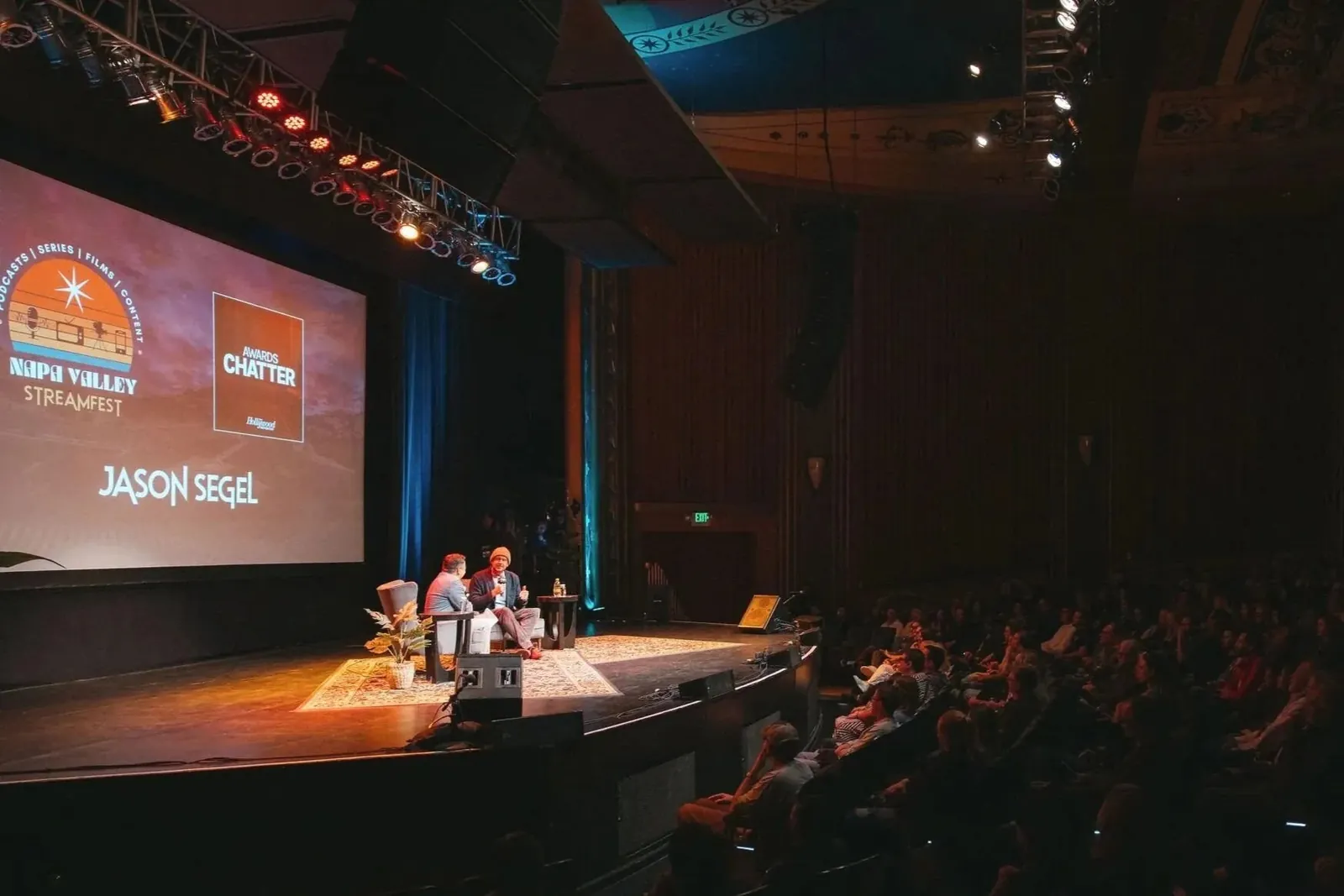
The single-screen era did not survive the multiplex, and the Uptown was carved into a four-screen multiplex before it went dark like so many of its siblings across California. What saved it was the particular stubbornness of old-theatre people: the building was restored and reopened as a live performance venue in 2010, trading film premieres for concerts, comedy, and touring acts.
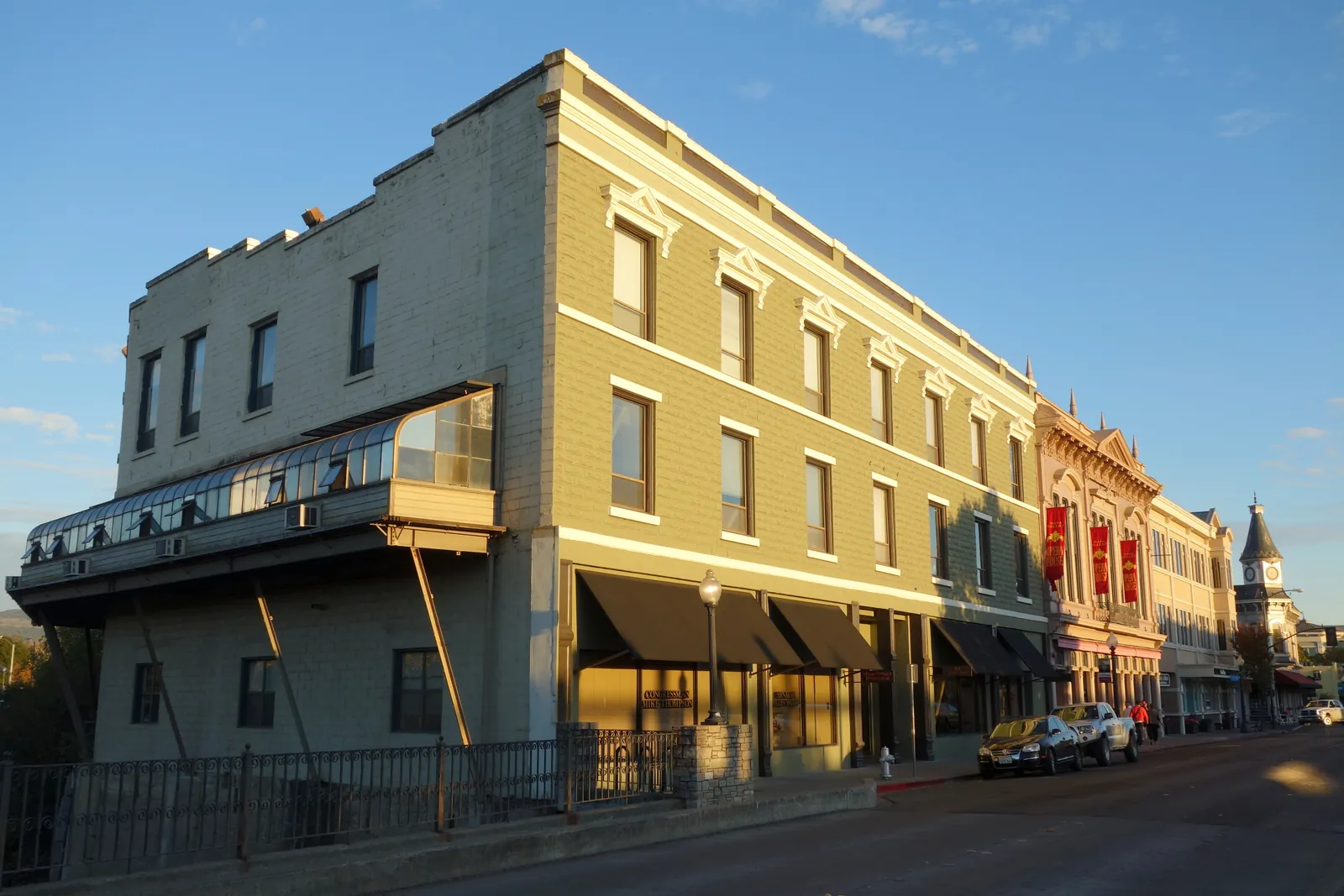
Restoration accounts describe the work as an act of civic memory as much as construction. The marquee was kept, the bones were kept, and the room was retuned for live sound. Where the Opera House down the street tells the story of 19th-century vaudeville ambition, the Uptown tells the 20th-century version: the democratic palace, built for everyone with a ticket.
The room remembers
There is something fitting about a movie palace becoming a music venue. Both are technologies of collective attention: a thousand strangers in the dark, facing the same direction. The Uptown's restoration preserved that function even as the content changed, and downtown Napa is livelier for it.
Napa's entertainment geography now reads like a timeline of American show business within a few blocks: the 1880 opera house, relaunched in 2026 as the Napa Music Hall, and the 1937 movie palace. The Uptown holds the middle of that story, the Depression-era bet that ordinary people deserved grandeur. Eighty-nine years later, the marquee still lights up, and the bet still pays.