NAPA: For half a century, Napa Valley has been measured by critics, by scores and by the prices its bottles command. On Friday, Nov. 6, the MICHELIN Guide said it will add a measure of its own. Napa Valley has been picked to host the first MICHELIN grape selection in the United States, and the first anywhere outside Europe. The chosen estates will be named on April 23, 2027.
The grape is the Guide's young distinction for wine estates, sitting alongside the stars it gives restaurants and the keys it gives hotels. An estate can earn one, two or three grapes, and a further group will be listed as Recommended. No Napa names were published with the announcement, and no count of estates was given. What was published is the reasoning, and the method.
Why this valley, in the Guide's telling
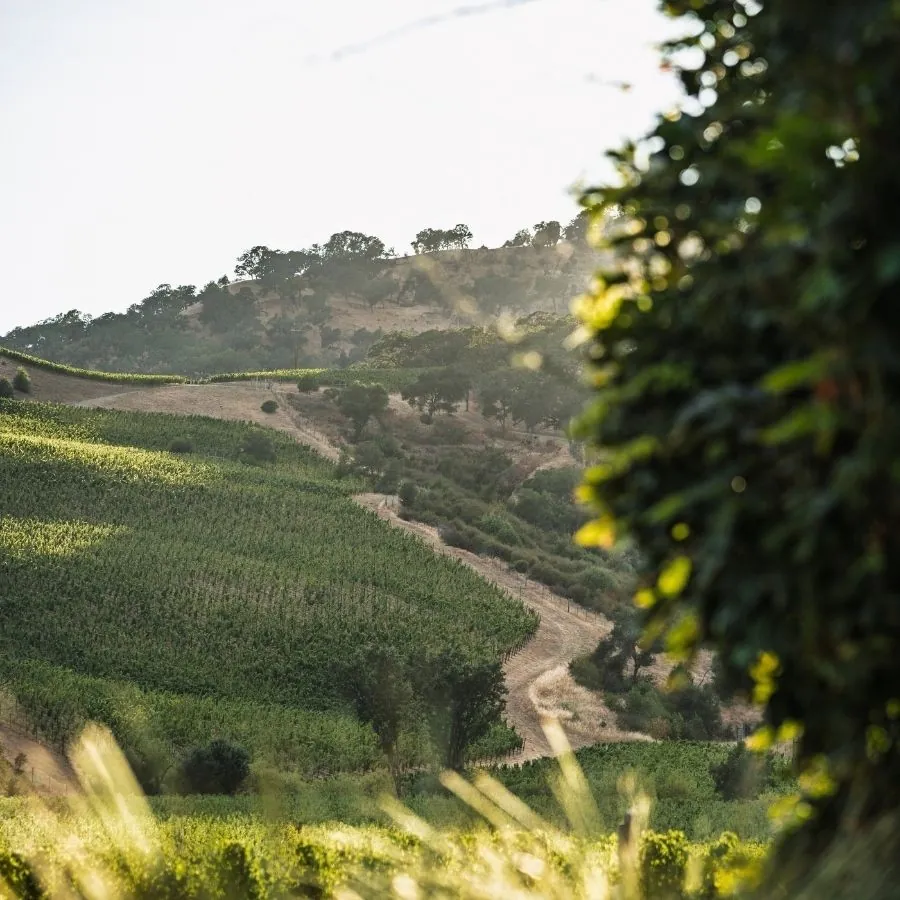
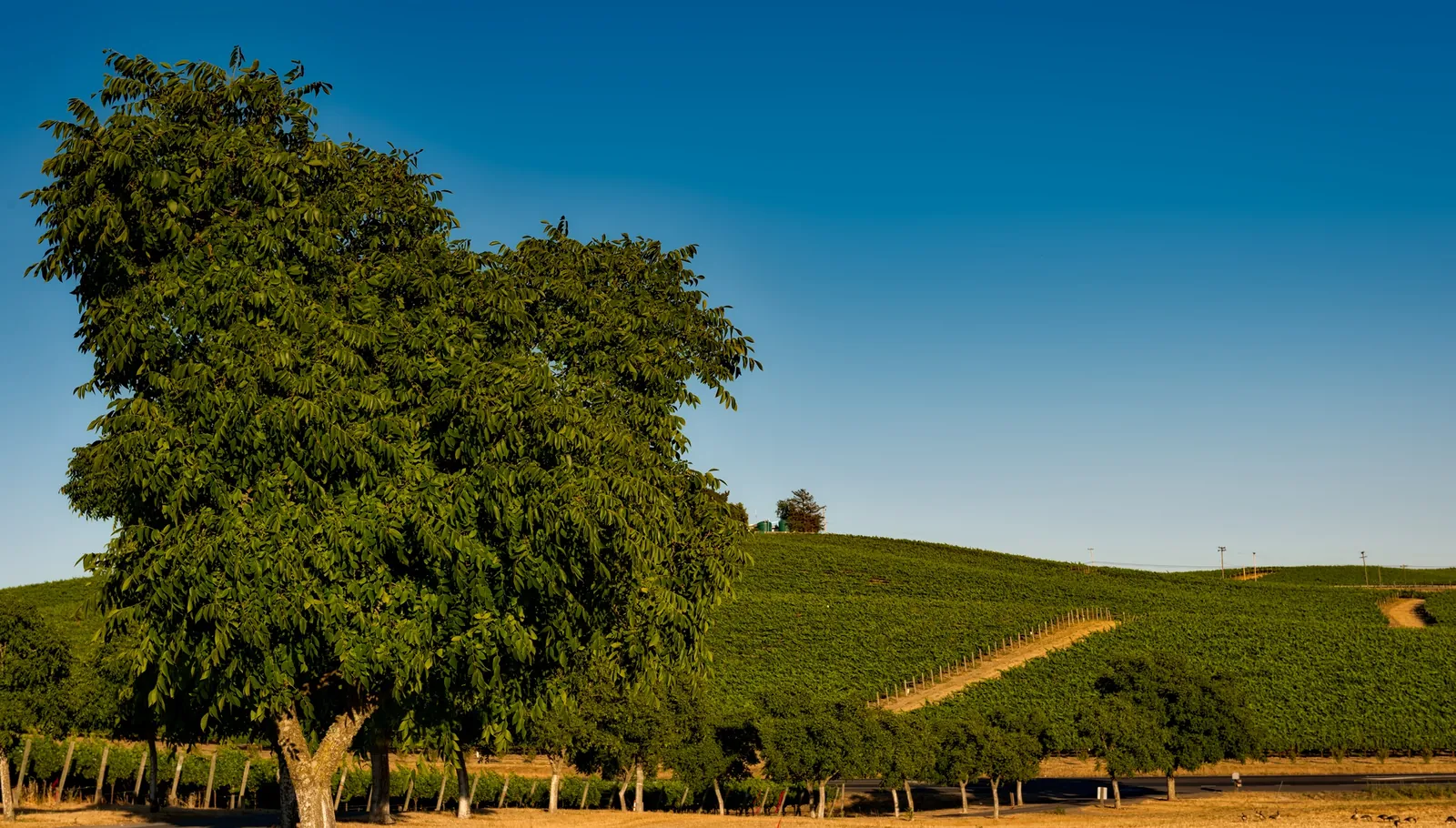
The announcement calls the choice an obvious one for a first American selection. It points to a valley set near the Pacific Coast, with warm and dry summers and mild winters, and to a reputation the Guide traces to a single afternoon in Paris. At the Judgment of Paris in May 1976, a blind tasting in the French capital, leading Napa wines finished ahead of celebrated French whites and reds. A region few drinkers could find on a map became, in the years after, a destination the wine world took seriously.
On April 23, a new set of names joins the valley's long argument about which estates matter most.
Gwendal Poullennec, the Guide's international director, put the case in heritage terms. "Napa Valley holds an important place in the world of modern wine," he said in the announcement. The Guide also notes the valley's formal standing as an American Viticultural Area, its run of differing microclimates across roughly 30 miles, and a plantings profile led by cabernet sauvignon, with chardonnay, merlot and sauvignon blanc behind it.
Five tests, applied by inspectors
Estates will be judged on five criteria, the same five wherever the distinction travels: the quality of agronomy, technical mastery, identity, balance, and consistency. In the Guide's fuller account of the method, agronomy looks at soil vitality and the care given to the vines, technical mastery at the rigor of the winemaking, identity at whether a wine speaks of its place and the people behind it, balance at the harmony among acidity, tannins, oak, alcohol and sweetness, and consistency at how a wine holds up across vintages, including hard ones.
The judging will not be outsourced. The Guide says its wine selections rest on dedicated inspectors employed by the Michelin Group, working collectively and independently, with panel review and editorial supervision behind each call. Its account of the team describes seasoned specialists drawn from the trade itself, among them former sommeliers, specialist critics and production experts. The corporate announcement of the Napa selection adds a working detail: the inspectors are anonymous, they will visit valley estates incognito, and they will taste a wide range of wines before the April list is set.
What the tiers will mean
The top grade, three grapes, is reserved for producers the Guide calls exceptional, estates a drinker can trust in any vintage. Two grapes mark excellence, with quality and consistency that stand out inside a home terroir. One grape goes to producers making wines of character and style, at their best in the strongest vintages. Below the graded tiers, Recommended gathers producers the Guide regards as dependable, turning out well made wines that reward the drinking.
The distinction itself is barely a year old. The Guide launched it for 2026, opening in Burgundy and the Bordeaux area, two French regions it describes as emblematic of world wine. Napa is therefore not joining a settled institution so much as arriving near the front of a rollout, ahead of every other American region and ahead of most of Europe. For a valley that has never had an official classification of its own, an outside grader with a century of restaurant authority behind it is a new kind of referee.
What it will change is harder to call. A grape on a winery door will not move a score driven market overnight, and the valley's best known estates have never lacked for attention. But the April list will be read the way the Guide's restaurant lists are read, as a short, argued answer to a question locals argue endlessly: which estates, right now, are actually making the wines that justify Napa's name. The inspectors have until April 23 to finish their answer.