NAPA: The valley's research council wants to understand the buyer its best bottles depend on. Wine Market Council announced on Thursday, Nov. 5, that it has partnered with Wine Opinions on the first phase of a new Luxury Wine Consumer Research Study, a project asking how people who buy wine at $50 and above think about it, what moves them to buy, and how their buying is changing. The complete Phase 1 findings will be presented during a Wine Market Council member webinar on Nov. 11, 2026.
The announcement frames the study against a divided market. During a downturn in overall U.S. wine sales, it says, pricier bottles have held up better than cheaper and mid range ones. Those wines are a relatively small share of total wine volume, but the council calls them important in revenue terms, and because hundreds of small, family owned wineries stake their business on them, a description that fits much of Napa Valley.

What Phase 1 asks
Phase 1 combines consumer survey research with in depth qualitative interviews, drawing on Wine Opinions' panel of consumers who purchase wines priced over $50 and $100. The study explores how consumers enter the higher priced category, what motivates continued purchasing, and how attitudes toward pricing, value and consumption are evolving. Its announced topics run from the luxury wine consumer journey and perceptions of value, through purchasing channels including retail, direct to consumer and restaurants, to the role of home wine collections and whether buyers are building their cellars or drawing them down.
In a downturn, the most useful question is not who left. It is who stayed, and why.
Christian Miller, the council's research director, put the gap the study is meant to fill in direct terms in the announcement: "There's a surprising amount we as an industry don't know about the consumers who drive the market for higher-priced wines, in particular $50 and above." The webinar presentation will be led by Miller together with John Gillespie, CEO and owner of Wine Opinions, with Katie Griffits, Wine Opinions' qualitative research director, presenting insights from the in depth consumer interviews.
The council behind the questions
Wine Market Council is a nonprofit founded in 1996. Its members, drawn from across the wine trade, fund its work of studying the American wine buyer and sharing what it finds. Its own site tells the same story from the other side of the desk: it says it has been conducting research on the U.S. wine consumer since 1996, runs three to four studies per year, and lists Luxury Wine Consumers among its approved 2026 research studies, alongside studies of wine and wellness, consumer taste preferences, new communication channels, and customer acquisition and retention. The announcement adds that memberships begin at $400 annually, depending on organization size.
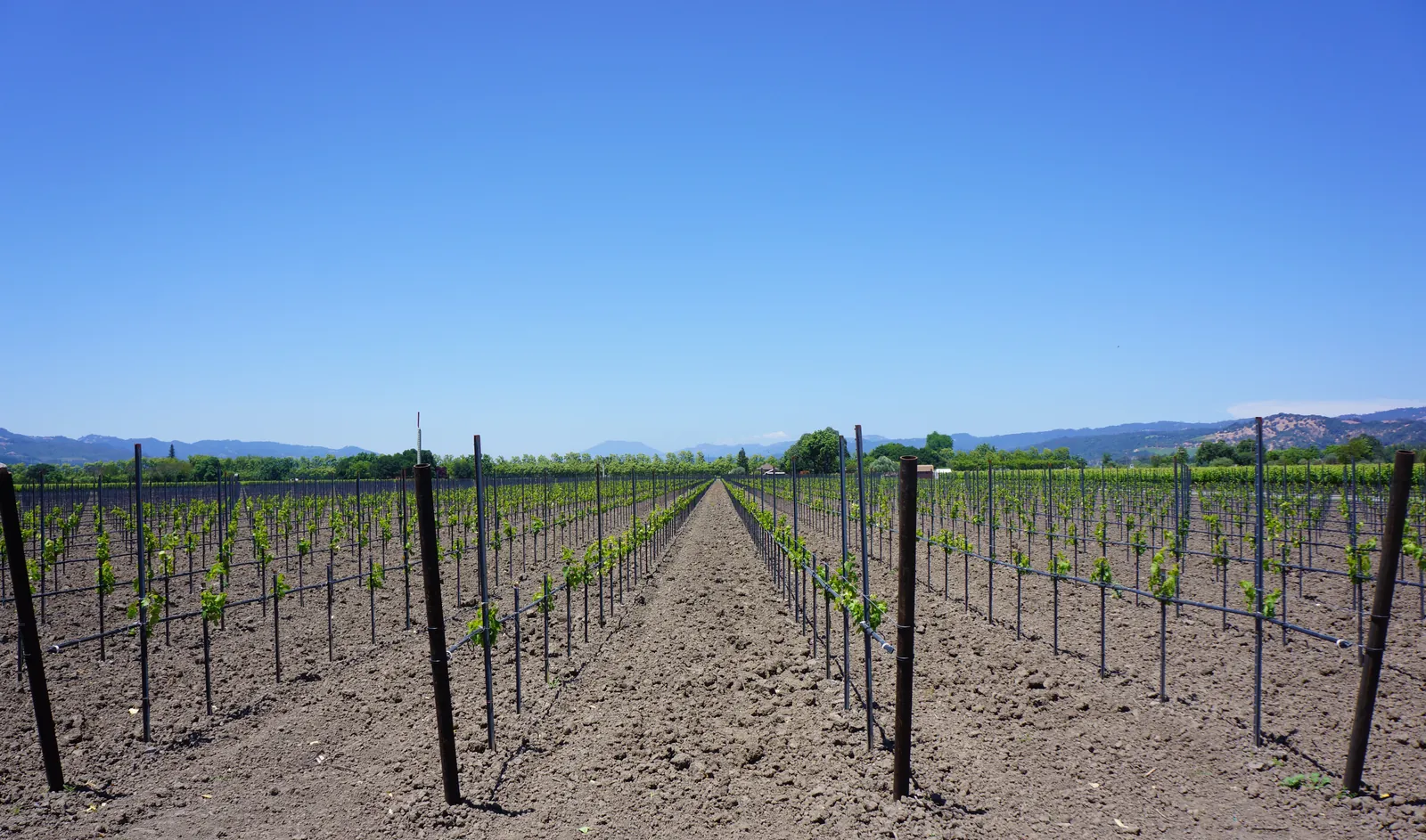
For Napa, the stakes in the answers are concrete. A valley whose name rests on bottles priced well above $50 needs to know whether the buyers of those bottles are simply core wine consumers with more money, as Miller's announcement wonders aloud, or people with a different relationship to wine altogether, and whether a less but better mindset keeps them buying or slowly draws them away. The first answers arrive on Nov. 11, in a room, even a virtual one, full of the wineries asking.